
VS
Hyundai Tucson vs Nissan Sentra – Differences & Prices Compared
Compare performance, trunk space, efficiency, and price at a glance.
Find out now which car suits you better – the Hyundai Tucson or the Nissan Sentra?
The Hyundai Tucson (SUV) comes with a Gasoline engine and Automatic transmission. In comparison, the Nissan Sentra (Sedan) features a Gasoline engine and Automatic transmission.
If you're looking for more power, decide whether the 187 HP of the Hyundai Tucson or the 149 HP of the Nissan Sentra better fits your needs.
The Hyundai Tucson offers a fuel efficiency of 25 mpg, compared to 30 mpg for the Nissan Sentra.
Price-wise, the Hyundai Tucson starts at 28700 $, while the Nissan Sentra is available from 21600 $. Compare all details and see which model fits your lifestyle best!
Hyundai Tucson
The Hyundai Tucson stands out in the crowded SUV market with its bold design and spacious interior that offers a comfortable ride for both driver and passengers. Its modern technology features enhance the driving experience, providing convenience and connectivity on the go. With a reputation for reliability and a strong emphasis on safety, the Hyundai Tucson appeals to families and adventurers alike, making it a popular choice for a wide range of drivers.
details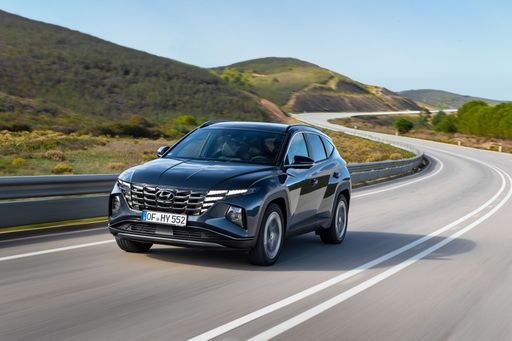 @ hyundai.news
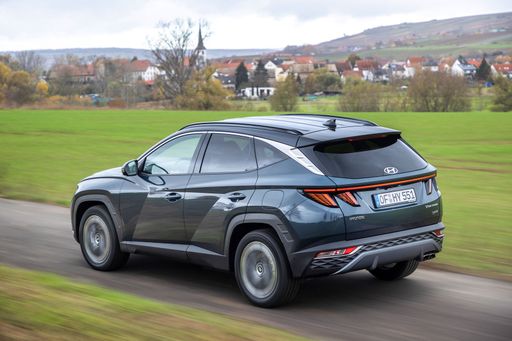 @ hyundai.news
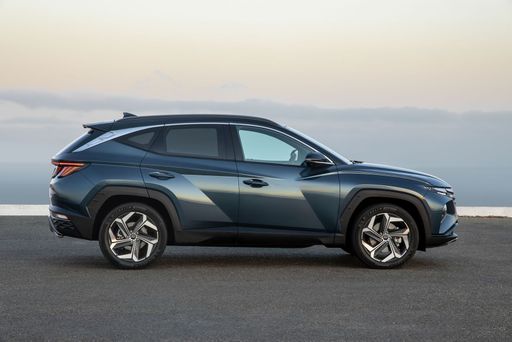 @ hyundai.news
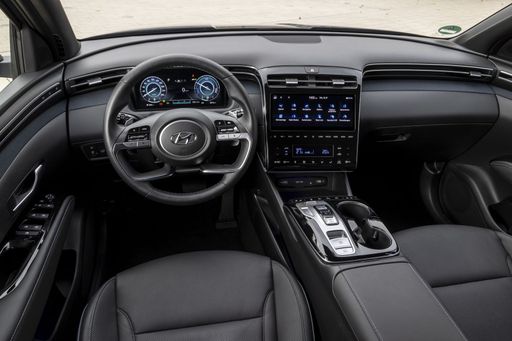 @ hyundai.news
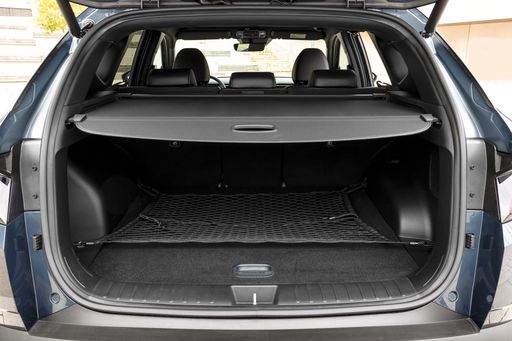 @ hyundai.news
Nissan Sentra
The Nissan Sentra has long been a staple in the compact car segment, offering a blend of reliability and modern design. Known for its spacious interior and user-friendly technology, the Sentra provides a comfortable ride for daily commutes. It continues to attract those who value practicality without sacrificing style.
details
Hyundai Tucson
Nissan Sentra
|
|
|
|
|
|
Costs and Consumption |
|
|---|---|
|
Price
28700 - 40100 $
|
Price
21600 - 24600 $
|
|
FuelEconomy City
24 - 25 mpg
|
FuelEconomy City
30 mpg
|
|
FuelEconomy Hwy
30 - 33 MPG
|
FuelEconomy Hwy
38 - 40 MPG
|
|
Electric Range
-
|
Electric Range
-
|
|
Battery Capacity
-
|
Battery Capacity
-
|
|
Fuel tank capacity
14.30 gal
|
Fuel tank capacity
12.40 gal
|
Dimensions and Body |
|
|---|---|
|
Body Type
SUV
|
Body Type
Sedan
|
|
Seats
5
|
Seats
5
|
|
Doors
-
|
Doors
-
|
|
Curb weight
3429 - 3801 lbs
|
Curb weight
3036 - 3084 lbs
|
|
Trunk Volume
-
|
Trunk Volume
14.30 cu. ft.
|
|
Length
182.70 in.
|
Length
182.90 in.
|
|
Width
73.40 in.
|
Width
71.50 in.
|
|
Height
65 - 66 in.
|
Height
56 - 57 in.
|
Engine and Performance |
|
|---|---|
|
Engine Type
Gasoline
|
Engine Type
Gasoline
|
|
Transmission
Automatic
|
Transmission
Automatic
|
|
Drive Type
Front Wheel, All Wheel
|
Drive Type
Front Wheel
|
|
Power HP
187 HP
|
Power HP
149 HP
|
|
Torque
178 lb-ft
|
Torque
146 lb-ft
|
|
Number of Cylinders
-
|
Number of Cylinders
-
|
|
Engine Displacement
2.50 L
|
Engine Displacement
2 L
|
|
Gears
-
|
Gears
-
|
General |
|
|---|---|
|
Model Year
2025
|
Model Year
2025
|
|
Brand
Hyundai
|
Brand
Nissan
|
Hyundai Tucson
Exploring the New Hyundai Tucson: A Modern Marvel
The Hyundai Tucson has consistently been a popular choice for drivers looking for a reliable and stylish SUV. Its 2025 iteration has come to impress with a blend of technical prowess and innovative features. This compact SUV delivers not only in looks but also in performance, making it a formidable competitor in the automotive market.
Sleek Design and Dimensions
The Hyundai Tucson presents a sleek, contemporary design that turns heads on the streets. With dimensions of 182.7 inches in length, 73.4 inches in width, and a height ranging between 65 and 66 inches, it offers a spacious interior while maintaining a sporty exterior. The thoughtful design provides both aesthetic appeal and functionality, ensuring that passengers travel in comfort and style.
Outstanding Performance Metrics
Under the hood, the Hyundai Tucson is powered by a robust 2.5-liter gasoline engine, offering an impressive 187 horsepower and 178 lb-ft of torque. This ensures a dynamic driving experience, whether you're navigating city streets or venturing onto the open highway. The SUV's power is complemented by a choice between front-wheel and all-wheel drive, providing versatility and stability in various driving conditions.
Impressive Fuel Efficiency
Despite its powerful engine, the Hyundai Tucson remains fuel-efficient, making it an ideal choice for both urban and rural settings. The model achieves a remarkable fuel economy of up to 25 mpg in the city and 33 mpg on the highway for front-wheel drive versions, while the all-wheel drive models offer a slightly lower but still competitive fuel efficiency of 24 mpg city and 30 mpg highway.
Advanced Interior Features
Inside, the Hyundai Tucson boasts a spacious interior accommodating up to five passengers with ease. The seats are designed to provide maximum comfort, making long journeys more enjoyable for everyone on board. The cargo space is ample, allowing for plenty of room for luggage, groceries, or sports equipment.
Enhanced Safety and Technology
In terms of safety and innovation, the Hyundai Tucson does not disappoint. It comes equipped with a host of safety features and technological advancements, including intuitive infotainment systems and driver-assistance technologies. These innovations ensure that every journey is not only enjoyable but also safe and secure.
Conclusion
The 2025 Hyundai Tucson continues to uphold the brand's reputation for quality and innovation. This SUV combines stylish design, thoughtful engineering, and cutting-edge technology to deliver a vehicle that meets the needs of today's drivers. With a variety of current versions offering both front-wheel and all-wheel drive options, Hyundai's latest Tucson model is ready to serve diverse preferences and needs with uncompromised excellence.
Nissan Sentra
The Timeless Appeal of the Nissan Sentra
The Nissan Sentra continues to uphold its reputation as an ideal everyday sedan, thanks to its perfect blend of reliability, comfort, and modern design. A popular choice among compact sedans, the Sentra is perfectly suited for city streets and highway drives alike. Let’s dive into what makes the 2025 Nissan Sentra an appealing choice for car enthusiasts and everyday drivers.
Engine Performance and Fuel Efficiency
At the heart of the 2025 Nissan Sentra lies a robust gasoline engine with a displacement of 2 liters. With an output of 149 horsepower and torque peaking at 146 lb-ft, the Sentra offers a spirited driving experience. The front-wheel-drive configuration coupled with an automatic transmission optimizes the balance between performance and comfort.
Fuel efficiency remains one of the Sentra's standout features. It is rated at 30 mpg in the city and an impressive 38-40 mpg on the highway, making it an economical choice for both urban commutes and longer road trips.
Interior Comfort and Practicality
Inside, the Sentra comfortably seats five passengers, providing both spaciousness and style. The interior is thoughtfully designed to offer a high level of comfort with quality materials and state-of-the-art technology. Furthermore, with a trunk volume of 14.3 cubic feet, the Sentra offers generous storage for luggage and daily essentials, making it practical for a variety of needs.
Dimensions and Exterior Styling
The exterior dimensions of the Nissan Sentra add to its attractive profile without compromising on practicality. It measures 182.9 inches in length and 71.5 inches in width, standing at a height of 56 to 57 inches, depending on the variant. This sleek, aerodynamic design contributes to both its aesthetics and fuel efficiency.
Safety and Innovations
Nissan has integrated advanced safety features in the Sentra to ensure peace of mind for drivers and passengers alike. Key innovations include a suite of driver-assist technologies designed to prevent accidents and enhance the driving experience. The Sentra’s robust build and modern safety features make it a reliable choice in its segment.
In summary, the 2025 Nissan Sentra embodies the ideal blend of performance, efficiency, and practicality. It remains a top contender in its class, providing a compelling option for anyone looking for a reliable, stylish, and economical vehicle.
What is the price of the Hyundai Tucson?
Starting from 28700 $.
The prices and data displayed are estimates based on USA list prices and may vary by country. This information is not legally binding.